
The Ultimate Matcha Chocolate Macaron Guide: Mastering the Art of French Pastry at Home
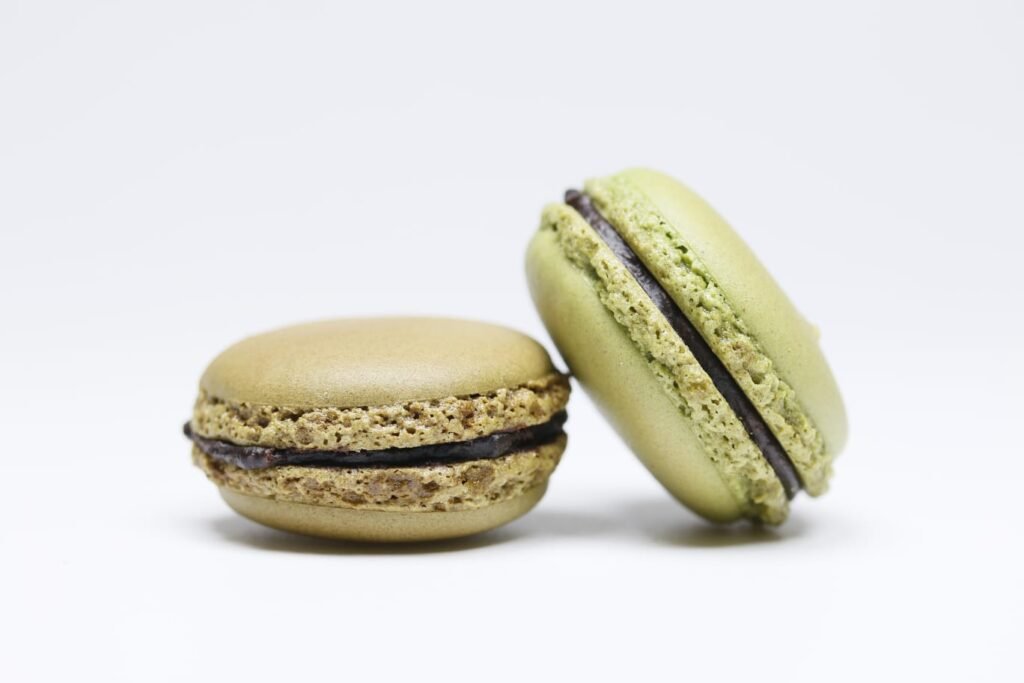
French macarons are widely regarded as the ultimate test of a home baker’s skill. Delicate, crisp on the outside, chewy on the inside, and featuring that signature ruffled foot, these tiny confections have captivated dessert lovers around the world. When you pair the earthy, vibrant notes of Japanese ceremonial green tea with rich, velvety dark chocolate ganache, you create a harmonious balance of flavors that elevates the classic macaron experience.
In this comprehensive guide, we will break down the science, technique, and secrets behind baking perfect Matcha Chocolate Macarons in your own kitchen. Whether you are looking to start a boutique home baking business, planning a high-end dessert catering service, or simply aiming to impress friends and family, this deep dive will give you the exact blueprint for success.
Understanding Macaron Science: French vs. Italian Method
Before diving into the recipe, it is essential to understand why macarons behave the way they do. A classic macaron shell relies on a carefully whipped meringue mixed with finely ground almond flour and powdered sugar. There are two primary methods used by professional pastry chefs:
The French Method
This is the most popular technique for home bakers because it requires no hot sugar syrup. Granulated sugar is gradually beaten into egg whites until stiff peaks form. The almond flour and powdered sugar are then folded into the meringue until the batter reaches a lava-like consistency. While slightly more sensitive to humidity and temperature fluctuations, it delivers a classic light texture.
The Italian Method
In the Italian method, a hot sugar syrup heated to $118^\circ\text{C}$ ($244^\circ\text{F}$) is poured into whipping egg whites. This creates an exceptionally stable meringue that yields consistent results, uniform feet, and a smoother shell surface. Many high-volume commercial bakeries prefer this approach to minimize product loss and streamline production costs.
Key Ingredients for Flawless Green Tea Macarons
Achieving a bakery-quality treat requires premium ingredients. Substituting key components can drastically alter your results.
- Almond Flour: Use super-fine blanched almond flour. Avoid unblanched almond meal, as the skins will weigh down the batter and create bumpy surfaces.
- Powdered Sugar: Ensure your powdered sugar contains cornstarch, as it absorbs excess moisture during the resting phase.
- Matcha Powder: Opt for culinary or ceremonial grade Japanese matcha. Lower-grade powders can impart a bitter flavor and a dull olive-grey color.
- Aged Egg Whites: Separating your egg whites 24 to 48 hours in advance allows excess water content to evaporate, yielding a more stable meringue.
- Dark Chocolate Ganache: Use high-quality couverture chocolate with at least 60% cocoa content combined with heavy cream for a glossy, decadent filling.
Step-by-Step Instructions: From Batter to Baking
1. Sifting and Preparation
Sift your almond flour, powdered sugar, and matcha powder together twice. Discard any large almond pieces left in the sifter. This step guarantees smooth tops on your macaron shells.
2. Crafting the Meringue
Whip aged room-temperature egg whites in a clean, grease-free glass or copper bowl on medium speed until foamy. Slowly add superfine granulated sugar, whipping until stiff, glossy peaks form. The meringue should hold its shape firmly when you lift the whisk.
3. The Macaronage Phase
Carefully fold your dry ingredients into the meringue using a silicone spatula. Continue folding in a figure-eight pattern until the batter flows smoothly off the spatula like thick lava. Be cautious not to overmix, as runny batter leads to flat macarons without feet.
4. Piping and Resting
Pipe round mounds onto parchment paper or silicone baking mats using a round piping tip. Tap the baking sheet firmly against your counter 3 to 4 times to release trapped air bubbles. Pop any remaining surface bubbles with a toothpick. Allow the piped shells to sit at room temperature for 30 to 60 minutes until a dry skin forms on top—you should be able to touch the batter lightly without it sticking to your finger.
5. Precision Baking
Bake in a preheated oven at $150^\circ\text{C}$ ($300^\circ\text{F}$) for 13 to 15 minutes. Allow the shells to cool completely before attempting to peel them off the parchment paper.
Practical Tips for Commercial Success and Business Growth
Baking artisanal pastries is not just a rewarding hobby; it can also be a profitable venture. If you are exploring culinary arts as a small business, consider these practical strategies:
- Calculate Food Costs Carefully: Premium ingredients like ceremonial matcha and organic chocolate carry higher costs. Ensure your pricing strategy accounts for labor, packaging, and business insurance overhead.
- Focus on Niche Branding: Offering specialized dietary options—such as gluten-free or dairy-free macaron varieties—can help you stand out in competitive markets and attract health-conscious consumer segments.
- Protect Your Brand Identity: If you plan to scale a bakery operation, consult a corporate attorney regarding trademark protection, LLC formation, and proper food liability insurance.
Fascinating Macaron Facts
- Italian Origins: Despite being perfected in Paris, macarons originated in Italy and were introduced to France by Catherine de’ Medici in the 16th century.
- Not to Be Confused with Macaroons: French macarons are delicate almond meringues, whereas coconut macaroons are dense, chewy clusters made from shredded coconut.
- The Importance of Maturation: Macarons taste significantly better after resting in the refrigerator for 24 hours. This allows the ganache moisture to soften the interior of the shell.
Conclusion
Mastering Matcha Chocolate Macarons requires patience, precision, and an eye for detail. By sourcing top-tier ingredients, mastering the macaronage technique, and maintaining tight control over oven temperatures, you can produce stunning, restaurant-quality pastries every time.
Whether you are baking for personal enjoyment or exploring entrepreneurial opportunities in culinary arts, this timeless French dessert offers an ideal balance of visual elegance and rich flavor.
Frequently Asked Questions (FAQ)
Why are my macaron shells cracked on top?
Cracked shells usually indicate that the batter was not rested long enough before baking, allowing steam to break through the top instead of expanding downward to create feet. It can also be caused by an oven that is too hot.
Can I freeze baked macaron shells?
Yes! Unfilled macaron shells can be frozen in an airtight container for up to three months. Thaw them at room temperature for 15 to 20 minutes before filling with your dark chocolate ganache.
Why do my macarons have hollow insides?
Hollow shells often stem from over-whipping the meringue, over-mixing the batter during macaronage, or baking at uneven temperatures. Ensuring stable meringue consistency helps prevent hollow spaces.